Top Areas for Corporate Meetings in Mumbai (2026) | Best Business Districts Guide
Discover the best business districts and locations in Mumbai for meetings, conferences and corporate events. Compare BKC, Andheri East, Powai, Lower Parel and more for your next corporate gathering.
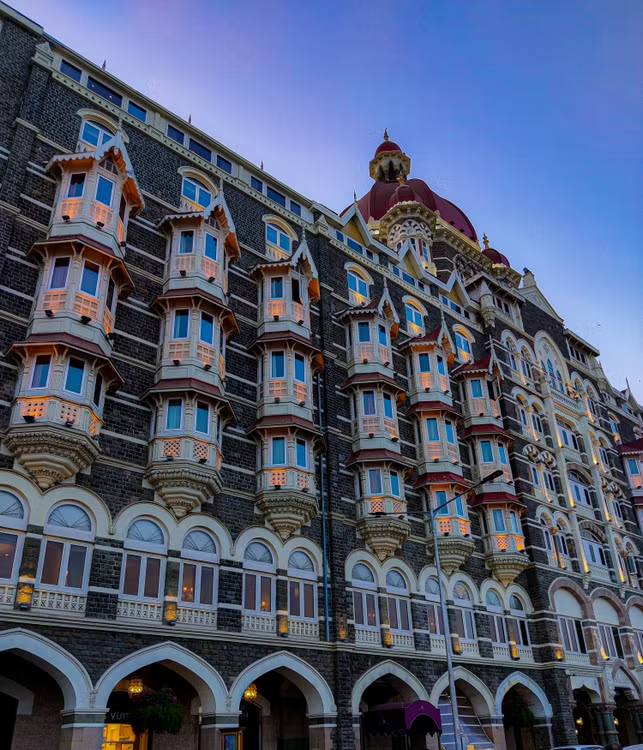
Table of Contents
Executive Summary
- Mumbai is India's financial capital and MICE hub, hosting headquarters of India's largest banks, financial institutions, multinational corporations and professional services firms across six distinct business districts — each offering a different combination of venue inventory, connectivity and corporate positioning.
- BKC is Mumbai's premier business district for high-profile conferences and leadership meetings, home to the Jio World Convention Centre — India's largest convention venue — alongside luxury hotels commanding premium rates that reflect the district's unmatched corporate credibility.
- Andheri East is the default choice for conferences with significant outstation attendance, offering the widest venue inventory in Mumbai across all price tiers, with airport transfer times of 5–10 minutes that no other Mumbai district can match.
- Powai combines IIT Bombay's innovation ecosystem with premium lake-view hospitality at the Renaissance and Westin properties, making it Mumbai's leading destination for technology sector events, leadership retreats and programmes that benefit from a campus-style environment.
- Lower Parel's transformation from textile mill district to premium commercial hub is complete — it now houses flagship offices of India's leading financial institutions alongside five-star hotels, making it the natural choice for events targeting South Mumbai's corporate community.
- Matching area selection to attendee origin, event format and corporate positioning before shortlisting individual venues is the single most effective way to improve conference attendance rates and reduce logistical friction in Mumbai's complex traffic environment.
Key Takeaways
- BKC is Mumbai's financial district of choice for premium conferences, investor events and leadership meetings — the address itself communicates corporate credibility
- Andheri East's 5–10 minute airport transfer time makes it the non-negotiable choice for national conferences where outstation attendance exceeds 30% of delegates
- Powai's Renaissance Convention Centre (2,000+ capacity) is Mumbai's most cost-effective large-format conference venue outside BKC, with lakefront setting as a genuine differentiator
- Lower Parel's premium hotel concentration — St. Regis, ITC Grand Central, Taj The Trees — makes it ideal for South Mumbai corporate events without requiring delegates to cross the city
- Worli's Bandra-Worli Sea Link access and premium hospitality (St. Regis, Four Seasons) position it for high-profile client events where venue aesthetics are part of the business message
- South Mumbai (Taj Mahal Palace, Trident Nariman Point) remains unmatched for prestige and international guest events, but parking constraints make it unsuitable for events where more than 20% of attendees drive
- Mumbai's peak MICE season (November–February) requires venue booking 6–9 months in advance — popular BKC and Andheri properties are routinely booked out on Q4 dates 8+ months ahead
- Traffic timing matters as much as distance — always evaluate travel time at the specific hour of conference registration opening, not on Google Maps with traffic disabled
- Evaluate parking capacity against expected driving delegates before shortlisting — a 200-person conference at a venue with 40 parking spaces creates an access crisis
- Use VenueExchange to compare venues across Mumbai districts with published pricing, verified capacity and structured RFP submission — reducing venue shortlisting time from 3–5 days to under 24 hours
Why Mumbai is a Corporate Meeting Hub
Mumbai is India's financial capital and the country's most active MICE destination, consistently ranking alongside Delhi NCR and Bengaluru as a top-three corporate event city. The city's concentration of corporate headquarters — covering banking, financial services, insurance, pharmaceuticals, FMCG and professional services — generates year-round demand for meeting and conference venues that consistently exceeds supply during the October–March peak season. India's MICE market reached $49.4 billion in 2024 and is growing at 13% CAGR, with Mumbai accounting for approximately 18–20% of the country's total corporate event spend. Understanding Mumbai's business geography is a prerequisite for effective venue selection — the right district delivers the right corporate positioning, attendee access and competitive pricing.
Mumbai's Corporate Landscape
Mumbai's corporate infrastructure is distributed across six primary business districts, each with a distinct industry cluster and venue ecosystem. The Reserve Bank of India, SEBI, NSE and BSE are headquartered in or adjacent to the South Mumbai and BKC corridors, making these areas the natural home for financial services conferences and regulatory forums. The concentration of India's top professional services firms — the Big Four audit and consulting companies, India's largest law firms and the investment banking operations of global institutions — creates a MICE ecosystem that sustains premium hotel inventory at occupancy levels that are among the highest in Asia.
- Financial capital: Reserve Bank of India, SEBI, NSE, BSE, and headquarters of India's largest public and private sector banks
- Corporate headquarters: Reliance Industries, Tata Group, Aditya Birla Group, Mahindra Group — combined annual corporate event spend in billions
- Global professional services: Accenture, Deloitte, PwC, KPMG, EY, McKinsey, BCG — generating sustained demand for premium meeting infrastructure
- Legal and financial: India's leading law firms (AZB, Shardul Amarchand Mangaldas, Cyril Amarchand) and investment banks concentrated in BKC and South Mumbai
- International chambers: American Chamber of Commerce, FICCI, CII, NASSCOM — each running 50–100+ events annually in Mumbai venues
Meeting Venue Diversity
Mumbai's venue inventory is the most diverse in India — spanning India's largest convention centre (Jio World Convention Centre, BKC, 10,000+ capacity) to boutique boardrooms accommodating 8–12 executives, with every tier represented across multiple districts and price points. This diversity means that virtually every MICE format and budget has multiple viable options in Mumbai — the challenge for corporate planners is not finding a venue that works but identifying the venue in the right district that works best for their specific attendee profile and event objectives.
- Luxury convention hotels: Jio World Convention Centre, ITC Maratha, JW Marriott Sahar, Taj Lands End, St. Regis — each with 500–10,000+ delegate capacity
- Premium business hotels: Hyatt Regency, Hilton Mumbai International, Westin Powai, Renaissance Mumbai — 150–700 capacity at competitive rates
- Convention centres: Jio World Convention Centre (BKC), NESCO Bombay Exhibition Centre (Goregaon) — for exhibitions and large-format conferences
- Unique and specialty venues: heritage properties in Ballard Estate, rooftop spaces in BKC, art galleries in Kala Ghoda, waterfront venues in Worli — for brand events and experiential conferences
- Mid-market and budget options: 4-star conference hotels in Andheri East and Powai, managed co-working event spaces in BKC and Lower Parel — for training programmes and team meetings
Bandra Kurla Complex (BKC)
BKC is Mumbai's most prestigious corporate address and the default choice for high-profile conferences, leadership meetings, investor events and any programme where the venue location is itself a statement about the organisation running it. Developed by the Mumbai Metropolitan Region Development Authority as a planned commercial district, BKC has evolved into the headquarters location for India's largest banks (ICICI Bank, HDFC Bank, Axis Bank, Kotak Mahindra Bank), the offices of virtually every major global investment bank operating in India, and the consulates of leading trading nations. The arrival of Jio World Convention Centre — India's largest purpose-built convention facility — has elevated BKC from a premium meeting location to a world-class MICE destination capable of competing with Singapore and Dubai for international convention business.
Overview
BKC occupies a central position in Mumbai's geography, connected to the Western Express Highway, Eastern Express Highway and the Bandra-Worli Sea Link — making it accessible from every quadrant of the city. The district's planned infrastructure means parking, power and connectivity are significantly more reliable than in organically developed areas like Lower Parel or Nariman Point. BKC's Mumbai Metro Line 2A and Line 7 stations (operational from 2023) have reduced peak-hour commute times from the western suburbs and made the district accessible to attendees who previously avoided it due to road traffic.
- Location: Central Mumbai between Bandra and Kurla, equidistant from western and eastern suburbs — genuinely accessible from all directions
- Connectivity: 20–25 minutes from CSIA in standard traffic; Mumbai Metro Line 2A (Dahisar–D.N. Nagar) and Line 7 (Andheri–Dahisar) within 10-minute walk from most venues
- Corporate presence: ICICI Bank, HDFC Bank, Axis Bank, Kotak Mahindra, Goldman Sachs, Morgan Stanley, Blackstone India — the highest-density financial services cluster in India
- Venue inventory: Jio World Convention Centre, Taj Lands End, Westin Mumbai Garden City, Courtyard by Marriott BKC, Sofitel BKC — covering all capacity tiers
- Infrastructure: planned district with multi-level parking structures, reliable power supply and premium maintenance standards uncommon in older Mumbai commercial areas
Key Venues in BKC
BKC's venue inventory spans India's largest convention facility to boutique premium meeting rooms, making it one of the few Mumbai districts that can host both a 5,000-person international conference and an intimate 12-person board meeting with equal appropriateness. The Jio World Convention Centre, opened in 2023, has already established itself as the preferred venue for India's most prestigious corporate gatherings — the India Economic Conclave, SEBI events, and major financial services conferences have all migrated to this facility from older South Mumbai venues.
- Jio World Convention Centre: India's largest convention venue — 10,000+ plenary capacity, 50+ configurable meeting rooms, world-class AV infrastructure, India's first purpose-built hybrid convention facility
- Taj Lands End, Bandra: 1,000+ banquet capacity, iconic waterfront setting, premium Taj hospitality — the benchmark for luxury corporate events in BKC corridor
- Westin Mumbai Garden City: 700+ capacity, LEED-certified infrastructure, large ballroom divisible into four independent rooms, strong in-house AV capability
- Sofitel Mumbai BKC: 600+ capacity, French luxury brand, consistently rated among Mumbai's top five conference hotels by corporate event planners
- Courtyard by Marriott BKC: 100–300 capacity, mid-market price point, reliable Marriott service standards — best-value option in the BKC district for smaller conferences
Ideal For
BKC's premium positioning and financial district ecosystem make it uniquely suited to event types where the venue's address is part of the business communication. An investor conference in BKC signals a level of corporate credibility that an equivalent event in a lower-prestige district cannot replicate. The concentration of financial services professionals in the district also means that local delegate attendance from within BKC itself is significantly higher than from any other Mumbai area — a relevant consideration for mid-week corporate events.
- Executive board meetings and AGMs: premium boardrooms at Westin, Sofitel and Jio World Convention Centre — privacy, prestige and impeccable service
- Leadership offsites: luxury hotel facilities with breakout rooms, formal dining and executive accommodation all within a single campus
- Large-format conferences (500–10,000 delegates): Jio World Convention Centre is the only Mumbai venue capable of handling this scale with world-class production infrastructure
- Investor and analyst meetings: proximity to every major investment bank and institutional investor in India — delegates often walk from their offices
- International delegations and government forums: India Economic Conclave, G20 side events, regulatory forums — BKC's infrastructure and security manage these at scale
Andheri East
Andheri East is Mumbai's most practical corporate meeting district and the non-negotiable choice for any conference where outstation attendance is a significant consideration. The area's defining advantage — venues within 5–10 minutes of Chhatrapati Shivaji Maharaj International Airport — translates directly into higher outstation attendance, less delegate attrition from travel fatigue, and the practical ability to hold productive morning sessions that attendees arriving on early flights can actually attend. Beyond airport proximity, Andheri East offers Mumbai's largest and most diverse venue inventory, spanning JW Marriott Sahar and ITC Maratha at the luxury end to efficient 4-star conference hotels across all capacity requirements.
Overview
Andheri East has evolved from a purely industrial suburb into Mumbai's second-most-important corporate district, driven by the concentration of IT parks (Seepz SEZ, MIDC), BPO campuses, media company headquarters (Star India, Sony, Zee) and the hospitality infrastructure that grew around the airport corridor. The area's corporate ecosystem — significantly different from BKC's financial services concentration — means Andheri East is the natural venue choice for media, entertainment, technology, pharmaceutical and FMCG sector events, as well as for any organisation whose attendees are predominantly travelling from other Indian cities.
- Location: Western suburb, 4–6 km from CSIA — the closest Mumbai business district to both the domestic and international terminals
- Connectivity: 5–10 minutes airport transfer (fastest of any Mumbai district), 15 minutes to BKC, direct Metro Line 1 (Versova-Andheri-Ghatkopar) and upcoming Metro Line 7
- Corporate presence: IT parks (Seepz, MIDC), media company headquarters, pharmaceutical firms, aviation industry — significantly more diverse than BKC
- Venue inventory: JW Marriott Sahar, ITC Maratha, Hilton Mumbai International, Hyatt Regency, The Leela Mumbai, Novotel — Mumbai's highest concentration of full-service conference hotels in a single district
- Infrastructure: NESCO Bombay Exhibition Centre (5,000+ capacity for exhibitions), extensive hotel parking, multiple access routes from Western and Eastern Express Highways
Key Venues in Andheri East
Andheri East's venue inventory is the most competitive in Mumbai — the concentration of international hotel brands means that pricing is more negotiable here than in BKC or South Mumbai, and the sheer number of options ensures that availability for most dates is better than anywhere else in the city. The area's flagship venues — JW Marriott Sahar and ITC Maratha — are consistently ranked among the top five corporate conference hotels in India by MICE planners, combining premium service with airport convenience that no other Mumbai district can replicate.
- JW Marriott Mumbai Sahar: 1,200+ banquet capacity, 5-star luxury, 10-minute airport transfer, consistently rated Mumbai's top corporate conference hotel — book 6–9 months in advance for peak season dates
- ITC Maratha: 900+ capacity, ITC's premium brand, LEED Platinum certified, 8-minute airport transfer, renowned for catering quality — particularly strong for pharmaceutical and FMCG sector events
- Hilton Mumbai International Airport: 700+ capacity, purpose-built for airport-adjacent corporate events, strong hybrid infrastructure, competitive pricing vs JW Marriott and ITC
- Hyatt Regency Mumbai: 800+ capacity, established corporate conference hotel with strong service standards, 12 minutes from airport, significant parking capacity
- NESCO Bombay Exhibition Centre: 5,000+ exhibition capacity, ideal for trade shows, product launches and large-format conferences requiring exhibition space — Mumbai's largest suburban exhibition venue
Ideal For
Andheri East's airport proximity advantage is most valuable for conferences where the logistical convenience of outstation delegates determines whether they attend or send a junior substitute. A pharma company running a national medical conference for 300 doctors from 15 cities will see 20–30% higher attendance at an Andheri East venue than at an equivalent BKC venue, simply because the airport transfer is seamless and delegates can fly back the same evening without stress.
- National conferences and conventions: airport convenience for delegates from Delhi, Bengaluru, Hyderabad, Chennai, Kolkata — the defining advantage that no other Mumbai district matches
- International events and foreign delegation visits: proximity to international terminal means minimal transit time for overseas guests
- Training and certification programmes: cost-effective 4-star options for multi-day programmes where accommodation and conference are co-located
- Product launches with national media attendance: journalists and trade press flying in from other cities consistently prefer Andheri East venues for convenience
- Day-long corporate meetings with evening departures: the ability to hold productive sessions until 6 PM and catch a 8 PM flight makes one-day Andheri East events genuinely viable for outstation decision-makers
Powai
Powai is Mumbai's knowledge economy hub — home to IIT Bombay, the largest concentration of technology company offices in the city outside of Andheri, and a premium hotel ecosystem built around the Hiranandani Business Park development. What distinguishes Powai from other Mumbai corporate districts is its campus-like character: wide roads, lakefront views, lower pedestrian density and a physical environment that is genuinely conducive to reflective thinking and strategic conversation — qualities that are rare in Mumbai's commercial districts and highly valued for leadership retreats, innovation workshops and multi-day strategic offsite programmes.
Overview
Powai's corporate identity was shaped by the Hiranandani Group's master-planned mixed-use development, which created a commercial, residential and hospitality ecosystem within a single controlled environment. The presence of IIT Bombay — India's premier technology institution — and the IT campuses of global technology companies (including the development centres of several Fortune 500 tech firms) creates an intellectual atmosphere that distinguishes Powai events from the purely commercial character of BKC or Andheri East. The Powai Lake setting, visible from both the Renaissance and Westin properties, provides a genuine aesthetic differentiation that corporate planners use to signal a different register of event — one concerned with reflection and strategy rather than transactions.
- Location: Eastern suburb, accessible via Jogeshwari-Vikhroli Link Road (JVLR) and Eastern Express Highway — well-connected to both airport and BKC
- Connectivity: 15–20 minutes from CSIA, 25 minutes to BKC, internal Hiranandani campus connectivity by auto-rickshaw and hotel shuttle
- Corporate presence: IIT Bombay, Hiranandani Business Park (hosting offices of Deloitte, KPMG, Cognizant, TCS among others), IT development centres
- Venue inventory: Renaissance Mumbai Convention Centre Hotel, Westin Powai Lake, Holiday Inn Mumbai Powai — concentrated but high-quality
- Setting: Powai Lake views from Renaissance and Westin properties — Mumbai's only lakefront hotel conference venues, a genuine differentiator for leadership and strategy events
Key Venues in Powai
Powai's venue inventory is smaller than BKC or Andheri East but more specialised — the Renaissance Mumbai Convention Centre is one of Mumbai's most complete conference facilities, offering multiple ballrooms, 30+ breakout rooms and the Powai Lake view that planners consistently cite as the defining feature of their leadership offsite programmes. The Westin Powai Lake complements the Renaissance as a slightly smaller but equally premium alternative with strong wellness infrastructure — spa, pool and fitness facilities that are particularly valued for multi-day residential programmes.
- Renaissance Mumbai Convention Centre Hotel: 2,000+ banquet capacity across multiple ballrooms, 30+ breakout rooms, lakefront setting, strong in-house AV team — Powai's flagship conference venue and Mumbai's most complete suburban convention hotel
- Westin Powai Lake: 700+ capacity, lakefront views, Heavenly Spa, outdoor event terraces — particularly strong for leadership retreats and incentive programmes that combine business sessions with wellness
- Holiday Inn Mumbai Powai Lake: 150–400 capacity, IHG brand, competitive pricing at 60–70% of Renaissance rates — best-value Powai option for training programmes and team meetings
- Hiranandani campus corporate parks: several IT campuses within walking distance of Powai Lake hotels offer supplementary meeting room facilities for large programmes requiring distributed space
- IIT Bombay venues: academic conference facilities available for appropriate programmes — unique positioning for technology sector events seeking institutional association
Ideal For
Powai's physical separation from Mumbai's main commercial corridors — a characteristic that is a disadvantage for business-day meetings but an advantage for residential programmes — makes it Mumbai's best district for events that deliberately want to create distance from the office environment. A strategy offsite in Powai feels meaningfully different from one in BKC: the lake view, the IIT proximity and the campus character collectively create a mental shift that facilitates more open strategic conversation.
- Corporate offsites and strategy sessions: lakefront setting creates genuine psychological distance from office environment — delegates are more open to strategic thinking
- Leadership retreats: Renaissance and Westin provide the privacy, premium service and residential infrastructure that multi-day leadership programmes require
- Technology sector conferences and hackathons: IIT Bombay proximity and tech company ecosystem create the most appropriate context for innovation-focused programmes
- Training and certification programmes: residential format with classroom facilities, accommodation and catering in a single campus is logistically ideal
- Team-building events: open lakefront spaces, recreational facilities and the campus character support structured and informal team activities that urban hotel venues cannot replicate
Lower Parel
Lower Parel's transformation from Mumbai's textile mill belt into its most dynamic commercial and lifestyle district is one of urban India's most dramatic redevelopment stories. The decommissioning of the textile mills from the 1980s onwards freed up vast land parcels in central South Mumbai that have been converted into premium commercial towers (One Indiabulls Centre, Peninsula Business Park, Kamala Mills), luxury residential developments and flagship hotels. Today, Lower Parel hosts some of Mumbai's most prestigious corporate addresses and is the primary business district for organisations whose client base and leadership teams are concentrated in South Mumbai — particularly in financial services, consulting and media.
Overview
Lower Parel occupies a strategically central position in Mumbai's geography — accessible from South Mumbai via the Western Express Highway, connected to the suburbs via the Lower Parel railway station (one of Mumbai's busiest commuter stations), and adjacent to the Bandra-Worli Sea Link approach that provides relatively fast access from BKC and the western suburbs. The area's mature commercial ecosystem — combining premium offices with retail (Palladium Mall, High Street Phoenix), fine dining and luxury hotels — makes it genuinely walkable for corporate clients in the surrounding towers, which is a significant advantage for day-time business meetings.
- Location: South-Central Mumbai, between Worli and Prabhadevi — accessible from both northern suburbs and South Mumbai
- Connectivity: 30–40 minutes from CSIA depending on traffic, Lower Parel railway station (Central and Western lines), future Metro connectivity planned
- Corporate presence: Indiabulls Finance, HDFC offices, BCG India headquarters, Hindustan Unilever, Wockhardt, numerous financial services and consulting firms
- Venue inventory: ITC Grand Central, Taj The Trees, St. Regis Mumbai (Worli boundary), Four Seasons Mumbai (Worli boundary) — all within 1.5 km radius
- Infrastructure: High Street Phoenix and Palladium provide dining, retail and entertainment adjacent to venue properties — strong post-meeting networking ecosystem
Key Venues in Lower Parel
Lower Parel's venue inventory is smaller than BKC or Andheri East but anchored by two properties of exceptional quality. ITC Grand Central is consistently rated among Mumbai's top corporate conference hotels — the Grand Chola Ballroom (1,200+ capacity) and the property's Responsible Luxury positioning have made it the default choice for pharmaceutical, FMCG and professional services companies headquartered in South Mumbai. Taj The Trees, ITC's second Lower Parel property, offers a more intimate and architecturally distinctive setting that is increasingly popular for leadership offsites and exclusive client events.
- ITC Grand Central Mumbai: 1,200+ banquet capacity, Grand Chola Ballroom as flagship space, ITC's premium service standards, LEED certification — South Mumbai's most complete corporate conference hotel
- Taj The Trees Mumbai: 300+ capacity, Taj Group's design-led property with distinctive architecture and smaller intimate event spaces — ideal for executive meetings and exclusive client events
- St. Regis Mumbai: 500+ capacity, ultra-luxury St. Regis brand, highest-rated hotel in Lower Parel corridor by corporate clients — premium pricing reflects the brand standard
- Four Seasons Mumbai: 300+ capacity, consistently rated Mumbai's top hotel by international corporate travellers, strong reputation among global MNC event planners
- Crystal Ballroom and standalone banquet venues: independent banquet facilities within the Kamala Mills and Phoenix commercial developments — competitively priced options for budget-conscious South Mumbai events
Ideal For
Lower Parel's competitive advantage is its combination of South Mumbai accessibility with modern premium hotel infrastructure — it delivers a corporate standard that South Mumbai's traditional venues (Taj Mahal Palace, Trident Nariman Point) cannot fully match due to their older infrastructure, while offering a prestige level that Andheri East's airport-adjacent hotels do not aspire to. For organisations whose leadership and client base are concentrated in South Mumbai's business community, Lower Parel eliminates the 45–60 minute cross-city journey that Andheri East would require.
- Executive meetings for South Mumbai corporates: eliminates cross-city travel for Nariman Point, Worli and BKC attendees — delegates arrive in 15–20 minutes versus 45+ from Andheri
- Financial services and consulting sector conferences: proximity to Indiabulls, HDFC, BCG and peer organisations generates high local attendance without travel investment
- Premium product launches and brand events: the Palladium and High Street Phoenix ecosystem creates a naturally affluent audience context and excellent post-event hospitality options
- Investment banker and private equity meetings: the concentration of deal-making professionals in surrounding towers makes Lower Parel the most convenient choice for transactions requiring in-person meetings
- Post-work networking events and client dinners: Lower Parel's restaurant and bar ecosystem (Nara, Bayroute, The Korner House) creates a seamless transition from formal conference to informal networking
Worli & Bandra West
Worli and Bandra West occupy a distinctive position in Mumbai's MICE landscape — they are not primarily commercial districts in the way that BKC or Andheri East are, but they contain some of Mumbai's most prestigious and visually spectacular corporate event venues. The Bandra-Worli Sea Link — one of India's most iconic infrastructure achievements — has made these previously isolated South Mumbai neighbourhoods genuinely accessible from BKC and the western suburbs, unlocking their potential as corporate event destinations. For high-profile client events, product launches and leadership gatherings where the venue's aesthetic is part of the event's message, Worli and Bandra West offer settings that no other Mumbai district can replicate.
Overview
Worli's transformation into a premium corporate event destination was enabled by two factors: the Bandra-Worli Sea Link (opened 2009, reducing BKC-to-Worli travel from 45 minutes to under 15 minutes) and the arrival of the St. Regis and Four Seasons hotels that created world-class corporate hospitality infrastructure in an area previously dominated by residential towers and industrial facilities. Bandra West's corporate event credentials rest almost entirely on Taj Lands End — a luxury hotel whose sea-facing positioning and Taj service standards create a unique event experience that justifies the premium over more accessible BKC venues.
- Worli location: South Mumbai coastal neighbourhood, Bandra-Worli Sea Link access from BKC (12–15 minutes) and western suburbs (20–25 minutes)
- Bandra West location: Western suburb sea-facing neighbourhood, adjacent to BKC via Bandra-Worli Sea Link, 15–20 minutes from airport
- Connectivity: Sea Link access dramatically improves inter-district travel; limited public transport means driving or cab is the primary arrival mode — parking considerations are critical
- Venue options: St. Regis Mumbai (Worli), Four Seasons Mumbai (Worli/Lower Parel boundary), Taj Lands End (Bandra West) — all luxury tier, all with sea views
- Setting: Arabian Sea views from both Worli and Bandra West properties — Mumbai's only sea-facing corporate conference venues at luxury scale
Key Venues in Worli & Bandra West
Worli and Bandra West's venue inventory is deliberately premium and deliberately limited — these areas have not been developed for mass-market corporate events but for exclusive gatherings where the setting is a competitive advantage. The St. Regis Mumbai, consistently ranked among Asia's top business hotels by international corporate travellers, delivers a service standard and aesthetic quality that generates genuine attendee appreciation. Taj Lands End's combination of Taj hospitality and sea-facing banquet spaces makes it one of Mumbai's most sought-after venues for product launches and client events where memorability is the primary objective.
- St. Regis Mumbai: 500+ capacity, ultra-luxury brand standard, sea-facing ballroom with Arabian Sea views, renowned butler service — consistently rated Mumbai's top hotel by international corporate guests
- Four Seasons Mumbai: 300+ capacity, Forbes Five-Star-equivalent service, sophisticated corporate aesthetic, strong in-house AV capability — particularly favoured by global MNC event planners
- Taj Lands End Bandra: 500+ capacity, iconic sea-facing setting, Taj Group service standard, rooftop event spaces with panoramic views — the benchmark for luxury product launches and client events in Mumbai
- Bandra West boutique venues: smaller hotels and event spaces in the Pali Hill area offer intimate settings for private dinners and leadership breakfasts of 20–50 guests
- Worli corporate office venues: several premium office towers in Worli have private event floors available for confidential executive meetings — relevant for M&A and board-level discussions requiring absolute privacy
Ideal For
Worli and Bandra West are specifically suited to event types where the venue's aesthetic quality and exclusivity are functional requirements, not just preferences. A global CEO's first India visit, a product launch for a luxury brand entering the Indian market, a leadership summit where attendees are expected to fly in from global offices — these are the event profiles where Worli and Bandra West deliver value that BKC or Andheri East venues cannot match at any price.
- Executive board meetings and C-suite summits: St. Regis and Four Seasons deliver the privacy, service standard and aesthetic that global executives expect from world-class business hotels
- Luxury brand client events and product launches: sea-facing venue setting creates a distinctive backdrop that premium brands use to communicate their brand positioning
- Leadership summits and strategic off-sites: the combination of premium hospitality, sea views and relative isolation from Mumbai's commercial bustle creates the reflective atmosphere that senior leadership programmes require
- High-profile networking events and cocktail receptions: Taj Lands End's sea-facing terrace spaces and St. Regis's event floors create the aspirational social environment that drives genuine networking
- International delegation events and embassy-associated gatherings: venue prestige and international brand recognition make these properties the natural choice for events involving foreign governments or global institutions
Nariman Point & South Mumbai
South Mumbai's corporate event identity is built on historical prestige and architectural heritage — the Taj Mahal Palace hotel has been hosting India's most significant business and political events since 1903, and that association with consequential gatherings has never faded. Nariman Point was India's original financial district, home to stock exchanges, government institutions and the early offices of foreign banks before BKC's development redirected commercial activity northward. Today, South Mumbai operates as Mumbai's prestige tier for events where address and heritage are the primary selection criteria — and as the natural choice for government-adjacent events, legal sector conferences and international gatherings where the iconic Gateway of India setting is part of the value proposition.
Overview
South Mumbai's corporate event infrastructure is anchored by two hotels of unmatched historical significance — the Taj Mahal Palace (1903, the first Indian-owned luxury hotel, and still India's most recognisable corporate address) and Trident Nariman Point (formerly the Oberoi Nariman Point, sea-facing with direct views of the Arabian Sea). The area's primary operational constraint — parking — is significantly worse than any other Mumbai corporate district: Nariman Point's ageing commercial infrastructure offers limited structured parking, and the one-way traffic system around the area adds unpredictability to arrival times. For events where 20%+ of attendees drive, South Mumbai is operationally challenging.
- Location: Southern tip of Mumbai, Marine Drive and Nariman Point waterfront — iconic setting with no parallel in Indian corporate real estate
- Connectivity: 45–60 minutes from CSIA in standard traffic — the longest airport transfer of any Mumbai corporate district; CST and Churchgate railway stations within 1–2 km for local attendees
- Corporate presence: High Court, Bombay Stock Exchange, Air India headquarters, historic offices of public sector banks, leading law firms — government and legal ecosystem
- Venue options: Taj Mahal Palace, Trident Nariman Point, The Oberoi Mumbai (Nariman Point) — all landmark tier, all commanding Mumbai's highest per-day conference room rates
- Infrastructure constraint: limited structured parking, one-way road system, ageing commercial building stock — operationally more complex than planned districts like BKC
Key Venues in South Mumbai
South Mumbai's venue inventory is small, premium and irreplaceable — there are no mid-market alternatives and no expansion of the venue base is anticipated given the complete built-out nature of the area. What the Taj Mahal Palace offers in its conference facilities is not replicated anywhere in India: the combination of heritage architecture, Taj hospitality, the Gateway of India address and a century of association with India's most consequential business and political meetings creates an event experience that is genuinely unique. Organisations that hold their annual conferences at the Taj Mahal Palace are communicating something specific about their positioning that cannot be communicated at any other venue.
- Taj Mahal Palace Mumbai: 1,000+ banquet capacity, iconic 1903 heritage property, Gateway of India address — India's most recognisable corporate event venue; conference rooms carrying the name 'Taj Mahal Palace' on invitation creates an impression no other Mumbai venue can replicate
- Trident Nariman Point: 700+ capacity, contemporary luxury, sea-facing ballroom overlooking Marine Drive — more operationally modern than Taj Mahal Palace while retaining the South Mumbai prestige address
- The Oberoi Mumbai: 300+ capacity, Forbes Five-Star standard, intimate event spaces preferred for high-confidentiality executive meetings — investment bankers and private equity firms are consistent users
- Ballard Estate heritage venues: Victorian-era commercial buildings in Mumbai's original port district, 5 minutes from CST — available for period-appropriate brand events and experiential conferences
- NCPA Nariman Point: performing arts complex with auditorium and event spaces — unique venue for conferences seeking creative and cultural associations
Ideal For
South Mumbai's venue selection is appropriate when the venue's heritage, address or prestige is a functional requirement of the event — not simply a preference. Government ministers attending an event, global CEOs making their first India visit, a company celebrating a significant milestone that demands the most prestigious venue in India's financial capital — these are the event profiles for which South Mumbai's operational constraints are worth accepting.
- Prestige corporate milestones: company centenary celebrations, significant M&A announcements, landmark deal closings — the Taj Mahal Palace provides an appropriate setting for India's most consequential corporate moments
- Investor and analyst conferences: proximity to BSE, NSE and the offices of India's largest institutional investors makes South Mumbai the most convenient location for financial sector briefings
- Government and regulatory forums: adjacency to Mantralaya, the High Court, the Reserve Bank and major regulatory bodies makes South Mumbai the natural location for policy-adjacent corporate events
- International conferences with heritage positioning: organisations seeking to associate their conference with India's historical identity — Gateway of India, the harbour view, the Victorian architecture of Ballard Estate
- Legal sector and judiciary-adjacent events: the concentration of India's leading law firms and the High Court makes South Mumbai the default choice for legal sector conferences and bar association events
Area Comparison Matrix
A structured comparison of Mumbai's six corporate meeting districts enables planners to eliminate unsuitable areas before investing time in individual venue shortlisting. The matrix below evaluates each district across the parameters that most significantly influence conference quality and attendee satisfaction — airport proximity, venue capacity range, cost tier, corporate positioning and primary use case. No single district scores highest across all parameters: the optimal choice is determined by matching area characteristics to the specific requirements of each event.
Area Comparison Table
The comparison below reflects 2026 data for Mumbai's primary corporate meeting districts. Airport proximity is measured as a typical travel time during the conference arrival window — not off-peak or Google Maps estimates. Venue capacity represents the range available within the district, not a single venue's specification. Cost tier reflects the typical all-inclusive per-day conference cost at the district's representative 5-star property for a 200-person event.
- BKC: Premium-Luxury tier, 200–10,000+ capacity, 20–25 min to airport, ₹8–25L per day, best for premium conferences and investor events
- Andheri East: Mid-Premium tier, 100–5,000+ capacity, 5–10 min to airport, ₹4–15L per day, best for national conferences and outstation-heavy events
- Powai: Mid-Premium tier, 150–2,000+ capacity, 15–20 min to airport, ₹3–10L per day, best for offsites and technology sector events
- Lower Parel: Premium tier, 100–1,200+ capacity, 30–40 min to airport, ₹5–15L per day, best for South Mumbai corporate community events
- Worli/Bandra West: Luxury tier, 100–500+ capacity, 20–30 min to airport, ₹6–18L per day, best for luxury client events and executive gatherings
- South Mumbai: Luxury-Heritage tier, 100–1,000+ capacity, 45–60 min to airport, ₹8–22L per day, best for prestige events and government-adjacent programmes
Cost Comparison (2026 Estimates)
Cost ranges below represent all-inclusive per-day venue and catering costs for a 200-person corporate conference at each district's representative 5-star property. All figures include venue rental, standard AV package, two coffee breaks and one buffet lunch, excluding GST (18%) and service charges (10–18%). Actual costs vary significantly based on specific venue, headcount, event date and negotiation — use VenueExchange's Budget Estimator for a personalised range based on your event parameters.
- BKC: ₹8–25 lakhs+ per day all-inclusive at 5-star properties — highest rate reflects unmatched location premium and limited supply
- Andheri East: ₹4–15 lakhs per day — most competitive pricing among premium districts due to high supply of comparable venues enabling negotiation
- Powai: ₹3–10 lakhs per day — 20–30% below Andheri East equivalent due to lower demand and fewer venue options creating buyer advantage
- Lower Parel: ₹5–15 lakhs per day — premium reflecting South Mumbai positioning; ITC Grand Central and St. Regis at the upper end
- Worli/Bandra West: ₹6–18 lakhs per day — St. Regis and Four Seasons command international luxury hotel pricing; Taj Lands End at mid-upper range
- South Mumbai: ₹8–22 lakhs+ per day — Taj Mahal Palace commands India's highest per-day corporate conference rates; heritage premium is non-negotiable
Area Selection Guide
The decision framework below maps event profile characteristics to the most appropriate Mumbai district. Use this as a first-pass filter before investing in individual venue site visits. In practice, most events have multiple competing requirements — where airport proximity and budget compete with corporate positioning, weight the criteria by which failure would most significantly damage the event's objectives.
- Best for premium financial services conferences: BKC — the financial district ecosystem means local delegate walk-in from adjacent offices is a genuine advantage
- Best for maximum outstation attendance: Andheri East — 5–10 minute airport transfers directly increase outstation registration-to-attendance conversion
- Best for residential offsites and strategy retreats: Powai — lakefront campus setting creates the psychological separation from daily work that strategy programmes require
- Best for South Mumbai corporate community events: Lower Parel — eliminates cross-city travel for the large South Mumbai corporate population
- Best for luxury client entertainment and product launches: Worli or Taj Lands End — sea-facing venues at luxury brand standard
- Best for heritage prestige and government-adjacent events: South Mumbai — Taj Mahal Palace is irreplaceable for specific event types
Choosing the Right Area
The most common Mumbai venue selection mistake is beginning with a venue shortlist rather than an area decision. Selecting a venue before committing to an area means that the most important decision — which district best serves the attendee profile and event objectives — is made implicitly rather than explicitly, and is often overridden by familiarity, availability or salesperson persuasion. The structured approach: define attendee origins and travel mode, define event format and capacity requirements, define the corporate positioning the event must communicate, and map these three inputs to the area comparison matrix before any individual venue is considered.
Factors to Consider
Area selection in Mumbai requires weighing five factors that interact in ways that are not always intuitive. Airport proximity matters for outstation attendees but is irrelevant for events where all attendees are Mumbai-based. Corporate positioning matters for events where the venue address is a communication, but is irrelevant for training programmes where content quality is the only success metric. The factor that is consistently underweighted is parking — in a city where 40–60% of corporate delegates drive to events, a venue with 40 parking spaces for a 200-person conference creates an access crisis that begins 30 minutes before registration opens.
- Attendee origin mapping: what percentage are Mumbai local vs outstation vs international, and what is their primary travel mode to the venue?
- Event format requirements: large plenary (needs BKC or Andheri East capacity), residential (needs Powai or Andheri hotel), intimate executive (any area works)
- Budget range: BKC and South Mumbai command 30–50% premium over Andheri East and Powai equivalents — area choice is a significant budget variable
- Venue requirements: capacity, AV complexity, breakout rooms, accommodation co-location — these specifications eliminate districts before individual venues are considered
- Parking ratio: count expected driving delegates and verify against each shortlisted area's parking infrastructure — this eliminates South Mumbai for many event profiles immediately
- Accommodation co-location: multi-day residential programmes require area with adequate hotel inventory — Andheri East and Powai have the strongest residential capacity
Decision Matrix
The attendee profile matrix below provides a first-pass area recommendation based on the dominant attendee type. Use it as a starting point, not a definitive answer — your event's specific requirements may override the general pattern. When two areas appear equally suitable, use the cost comparison table to make the final area decision, then shortlist individual venues within the lower-cost area.
- Outstation attendees (30%+ of delegates): Andheri East — the airport proximity advantage is not replicated by any other Mumbai area
- International attendees and foreign delegations: Andheri East for operational convenience, BKC or South Mumbai for prestige positioning — decide based on which matters more
- South Mumbai-based corporate executives: Lower Parel or South Mumbai — eliminates the 45–60 minute cross-city journey that reduces senior attendance at Andheri East events
- Tech and startup community events: Powai — IIT Bombay proximity and technology company ecosystem creates authentic positioning for innovation-focused events
- Financial services and investment banking events: BKC — the district's institutional identity creates the appropriate context for events in this sector
- Premium client entertainment and luxury events: Worli, Bandra West or South Mumbai — venue aesthetic and brand association justify the premium cost
Seasonal Considerations
Mumbai's MICE calendar has two distinct seasons that significantly affect venue availability and pricing. The peak season (October–March) overlaps with the corporate fourth quarter and first quarter — the highest-activity period for annual conferences, year-end celebrations and Q1 strategic planning events. During this period, BKC and Andheri East venues are routinely booked 6–9 months in advance for popular conference dates, and pricing is 20–40% above the off-peak equivalent. Planning corporate conferences for this season requires early venue commitment — not as a preference but as a practical necessity.
- Peak season (October–March): highest demand, highest rates, lowest availability — book BKC and Andheri East venues 6–9 months in advance for October, November and January dates
- Shoulder season (April–May, September): transitional period with better availability and 10–20% rate reduction relative to peak — ideal for training programmes and internal conferences
- Monsoon (June–September): significantly better venue availability and 20–30% lower rates — eliminate any event component that relies on outdoor spaces; ensure venue has reliable generator backup for power outages
- Summer (March–May): extreme heat (35–40°C in Mumbai) means air conditioning reliability becomes a primary venue evaluation criterion — verify AC system capacity and backup
- Winter (November–February): optimal conference weather, but peak pricing and lowest availability coincide — the trade-off is unavoidable; plan around school and public holiday dates when Mumbai traffic patterns improve
Best Practices for Venue Selection
Venue selection in Mumbai follows the same professional principles that apply to MICE planning globally — but with Mumbai-specific operational considerations that planners from other cities sometimes overlook. Traffic timing is the most significant Mumbai-specific variable: a venue that is 8 km from the airport may be 10 minutes away at 7 AM and 40 minutes away at 9 AM — the difference determines whether outstation delegates catch morning sessions. A venue with 400 parking spaces for 200 attendees is exceptional; one with 40 spaces is a crisis in waiting. Understanding these Mumbai-specific factors separates planners who deliver smooth events from those who manage day-of logistics crises.
Booking Timeline
Mumbai venue booking timelines are materially longer than in other Indian cities due to the concentrated demand for a limited number of premium venues during peak season. The guidelines below represent the minimum lead times required to secure preferred dates — planning with these lead times as targets (not minimum acceptable) significantly improves negotiating leverage, as venues offer better commercial terms to early-confirming clients than to those booking close to the event date.
- Small meetings (under 50 delegates): 1–3 months in advance — most Mumbai venues have short-term availability for small meeting rooms outside peak season
- Medium conferences (50–200 delegates): 3–6 months in advance — premium BKC and Andheri East venues require 6 months for October–January dates
- Large conferences (200+ delegates): 6–12 months in advance — Jio World Convention Centre, JW Marriott Sahar and ITC Maratha book out 9–12 months ahead for Q4 dates
- Peak season (November–February): add 3 months to all guidelines above — treat these dates as requiring lead times equivalent to the next category up
- Off-peak season (March–September): standard guidelines apply; monsoon season (June–August) offers exceptional availability and the most negotiating leverage of any period
Site Inspection Tips
Mumbai site inspections require attention to factors that are particularly consequential in this city's operational environment. Internet speed testing is more important in Mumbai than in any other Indian city because the gap between claimed and actual bandwidth at hotel venues is wider here — high hotel occupancy during peak season means shared infrastructure is consistently overloaded. Always test WiFi speed in the specific event space, not in the hotel lobby, and always test at the time of day when your event will require connectivity, not during an off-peak morning visit.
- Verify room capacities with the exact furniture configuration for your event — Mumbai hotels routinely quote maximum theoretical capacity which may be 20–30% above usable conference seating
- Test internet speed in each room using Speedtest.net — test at the same time of day as your event to simulate actual load conditions during peak hotel occupancy
- Review AV equipment and request live demonstration in the main plenary space — microphone on, projector lit, sound at presentation volume from the back row
- Assess parking capacity vs expected driving delegates — walk the parking structure and count actual spaces, not the venue's stated figure
- Evaluate road access route from key attendee origins at your conference arrival time — drive the route during a comparable peak-hour period before confirming
- Confirm accommodation availability on your specific event dates — do not assume availability for residential conferences without verified room block confirmation
Common Mistakes to Avoid
The most costly Mumbai venue selection mistakes are concentrated in a predictable set of decisions that planners make under time pressure. The single most damaging is selecting a South Mumbai or BKC venue for a conference where 40%+ of attendees travel from outside Mumbai, without accounting for the airport transfer time — which converts what should be a productive full day into a half day of useful sessions. The second most damaging is accepting a venue's quoted capacity without verifying the usable seating in the required configuration — a mistake that is discovered when the setup team arrives on event day.
- Selecting based on venue aesthetics without evaluating the district's suitability for the attendee profile — beautiful ballrooms in inconvenient locations generate low attendance
- Ignoring peak-hour traffic patterns — evaluating travel times with Google Maps on off-peak settings produces estimates that bear no relationship to event-day reality
- Confirming a venue without a physical site inspection — photographs and virtual tours do not reveal acoustics, parking constraints, internet speed or the actual feel of the space
- Underestimating AV technology requirements and budget — Mumbai conference AV costs typically run 15–20% of total event cost for production-quality conferences; planning at 5–8% creates budget crises
- Missing hidden costs — GST (18%), service charges (10–18%), AV equipment hire, dedicated internet bandwidth, overtime fees and room setup change charges can collectively add 35–50% to the headline venue quote
- Poor contract review — Mumbai hotel contracts typically include one-sided cancellation clauses, flat-fee penalties and vague service descriptions; engage legal review for events above ₹15 lakhs total value
FAQs
Which area is best for corporate meetings in Mumbai?
The optimal area depends on your attendee profile and event objectives. BKC is the first choice for premium financial services conferences, investor events and leadership meetings where the district's corporate credibility is part of the event's positioning. Andheri East is the non-negotiable choice for national conferences where outstation attendance exceeds 30% of delegates — the 5–10 minute airport transfer is an advantage no other Mumbai district can replicate. Powai is best for leadership offsites and technology sector events. Lower Parel serves South Mumbai corporate communities effectively. Use VenueExchange to compare specific venues across all districts against your headcount and budget before committing to an area.
Which Mumbai location is best for outstation attendees?
Andheri East is definitively the best choice for conferences with significant outstation attendance. Venues in Andheri East are 5–10 minutes from both the domestic and international terminals of CSIA — the fastest airport transfer of any Mumbai business district. This means outstation delegates can attend early morning sessions on the day of arrival and catch evening flights on departure day, which dramatically increases the viability of one-day conferences for participants from Delhi, Bengaluru, Hyderabad and Chennai. JW Marriott Sahar and ITC Maratha are the flagship choices in this district.
What is the premium business district in Mumbai?
BKC (Bandra Kurla Complex) is Mumbai's most prestigious corporate address and premier business district, home to the headquarters of India's largest banks, global investment banks, leading consulting firms and the Jio World Convention Centre — India's largest convention facility. For conferences and events where the venue's address communicates corporate credibility to attendees, BKC is unmatched in Mumbai. However, it commands 30–50% premium pricing over Andheri East and Powai equivalents, and airport transfer times of 20–25 minutes make it less suitable for outstation-heavy conferences.
Which area is best for budget-friendly corporate meetings?
Powai offers the best combination of premium conference infrastructure and competitive pricing among Mumbai's business districts — the Renaissance Mumbai Convention Centre and Westin Powai Lake both deliver 5-star service at rates 20–30% below comparable Andheri East venues. Andheri East's high venue supply also creates good negotiating leverage for planners willing to compare multiple properties — the JW Marriott and ITC Maratha command premium rates, but the Hilton, Hyatt and Novotel in the same district offer competitive alternatives. BKC and South Mumbai are consistently the most expensive areas with least price flexibility.
How far is BKC from Mumbai Airport?
BKC is 8–10 km from CSIA, translating to 20–25 minutes in standard traffic via the Western Express Highway. However, this estimate can extend to 40–50 minutes during Mumbai's peak morning traffic (8–10 AM) — which is precisely when conference delegates are most likely to be travelling from the airport to morning sessions. For conferences with significant outstation attendance starting before 11 AM, BKC's airport transfer time is a genuine logistical challenge that Andheri East venues eliminate.
Is parking available at BKC venues?
Yes, BKC's planned district infrastructure includes multi-level parking structures that are significantly more organised and better-maintained than parking in older Mumbai commercial areas. The Jio World Convention Centre has extensive dedicated parking. The Westin, Sofitel and Courtyard by Marriott all offer covered valet and self-parking. However, for conferences above 500 delegates, parking logistics should be planned in advance — BKC's road network can become congested during peak arrival periods and the venue's parking team should be briefed on expected arrival timing and volumes.
What is the best time for meetings in Mumbai?
November to February offers Mumbai's most pleasant conference conditions — temperatures between 18–30°C, low humidity, and no monsoon disruption. This is also the peak MICE season with highest venue demand and pricing. For budget-sensitive events, April–May and September offer shoulder season pricing with 10–20% rate reduction. June–August (monsoon) offers the lowest rates and best availability but requires eliminating all outdoor event components, ensuring venue generator backup, and allowing generous travel time buffers for delegates dealing with Mumbai's monsoon traffic delays.
Which Mumbai area has the most hotel inventory?
Andheri East has the highest concentration of full-service conference hotels of any Mumbai district — JW Marriott Sahar, ITC Maratha, Hilton Mumbai International, Hyatt Regency, The Leela Mumbai, Novotel Mumbai International Airport and The Orchid Hotel are all within a 3 km radius. This concentration means that Andheri East has better multi-day conference accommodation availability than any other Mumbai district, and the competition between properties creates more negotiating leverage for planners booking large room blocks. BKC and Powai have fewer properties but maintain consistently high quality.
Can I host large conferences in Powai?
Yes — the Renaissance Mumbai Convention Centre Hotel in Powai is one of Mumbai's most capable large-format conference venues, with 2,000+ plenary capacity, 30+ breakout rooms and a convention centre infrastructure that handles multi-day conferences of this scale routinely. The lakefront setting at the Renaissance and Westin Powai Lake is a genuine differentiator for conferences where the environment is part of the programme design. For conferences above 2,000 delegates, Andheri East (JW Marriott, ITC Maratha) or BKC (Jio World Convention Centre) offer greater capacity.
Which area is best for executive board meetings?
For executive board meetings, the right area depends on where the majority of board members' offices are located. BKC is the natural choice when most directors work in financial services firms concentrated in that district — the meeting room availability at Westin, Sofitel or Jio World Convention Centre is excellent and the walk from adjacent offices means minimal travel for directors. South Mumbai's Taj Mahal Palace or Trident Nariman Point are appropriate when the board meeting's prestige and heritage positioning matters — or when directors are concentrated in Nariman Point offices. Worli's St. Regis and Bandra West's Taj Lands End are preferred for boards seeking premium privacy and sea-facing settings.
How do I reach BKC from South Mumbai?
From South Mumbai, BKC is best reached via the Bandra-Worli Sea Link (from Worli, 12–15 minutes to BKC) or the Western Express Highway (from Nariman Point via Peddar Road, 25–35 minutes depending on traffic). Avoid the Sea Link during morning peak hours (8–10 AM) when toll plaza queuing can add 15–20 minutes. Mumbai Metro Line 2A is accessible from Bandra East station and provides a reliable alternative for delegates preferring to avoid road traffic — though the last-mile from the metro station to BKC venues requires an auto-rickshaw or cab.
What is the most prestigious meeting venue in Mumbai?
The Taj Mahal Palace in South Mumbai is India's most iconic corporate event venue — the combination of its 1903 heritage, Gateway of India address and century-long association with India's most significant business and political gatherings creates an event context that no other Indian venue replicates. For large-format conferences, Jio World Convention Centre in BKC is India's most technically advanced convention venue and is rapidly establishing itself as the default choice for India's most prestigious corporate conferences and international events. The appropriate choice between them depends on event scale and whether heritage or technical infrastructure is the primary venue selection criterion.
Which area has the best airport connectivity?
Andheri East has definitively the best airport connectivity in Mumbai — venues like JW Marriott Sahar, ITC Maratha and Hilton Mumbai International are 5–10 minutes from CSIA via dedicated link roads that connect directly to both the domestic and international terminal approaches. No other Mumbai business district comes close to this proximity. For comparison: BKC is 20–25 minutes; Powai is 15–20 minutes; Lower Parel is 30–40 minutes; South Mumbai is 45–60 minutes. The 40–55 minute difference between Andheri East and South Mumbai translates directly into delegate attendance rates for outstation-heavy conferences.
Are there unique meeting venues in Mumbai?
Yes — Mumbai has a compelling range of unique and non-standard corporate meeting venues that work for specific event types. The Taj Mahal Palace's heritage rooms and Harbour View spaces offer a historic colonial setting. Jio World Convention Centre's design-forward architecture is itself a statement. Several mill compound redevelopments in Lower Parel — including spaces within the Kamala Mills complex — offer industrial-aesthetic venues popular for brand events. Rooftop venues in BKC commercial towers offer panoramic city views for cocktail receptions. NCPA Nariman Point provides performing arts spaces for conferences seeking cultural association. Kala Ghoda art district venues in South Mumbai offer gallery spaces for intimate creative sector meetings.
Related Articles
- best-conference-venues-in-bkc
- how-to-choose-the-right-corporate-event-venue-in-india
- how-to-plan-successful-mice-events
- understanding-mice-events-and-venue-requirements
Related Venue Types
References
- VenueExchange Mumbai Venue Inventory — VenueExchange Research
- Mumbai MICE Industry Report 2026 — Industry Analysis
- BKC Business District Overview — Bandra Kurla Complex Development Authority
- Mumbai Business Districts Guide — Industry Research